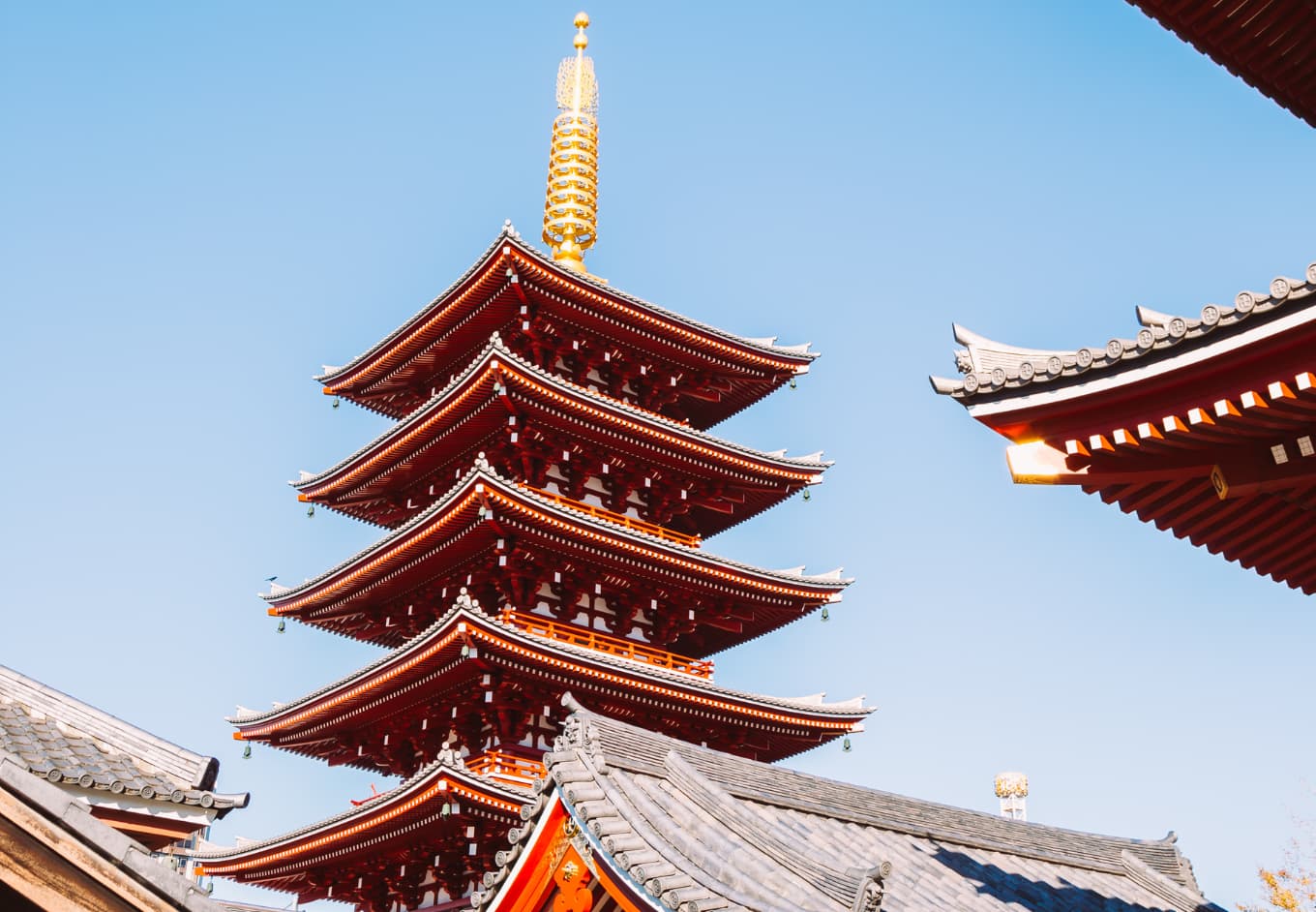
Senso-ji Temple
5 min walk
As Tokyo's oldest temple, this site offers a traditional atmosphere that aligns with the history explored during your samurai session.

Japan's two most storied cities offer distinct approaches to samurai heritage. Tokyo delivers interactive, museum-based experiences in the bustling heart of Asakusa, while Kyoto offers temple-adjacent programs steeped in centuries of warrior tradition. Understanding the differences helps travelers choose the path that matches their interests.
Quick answer
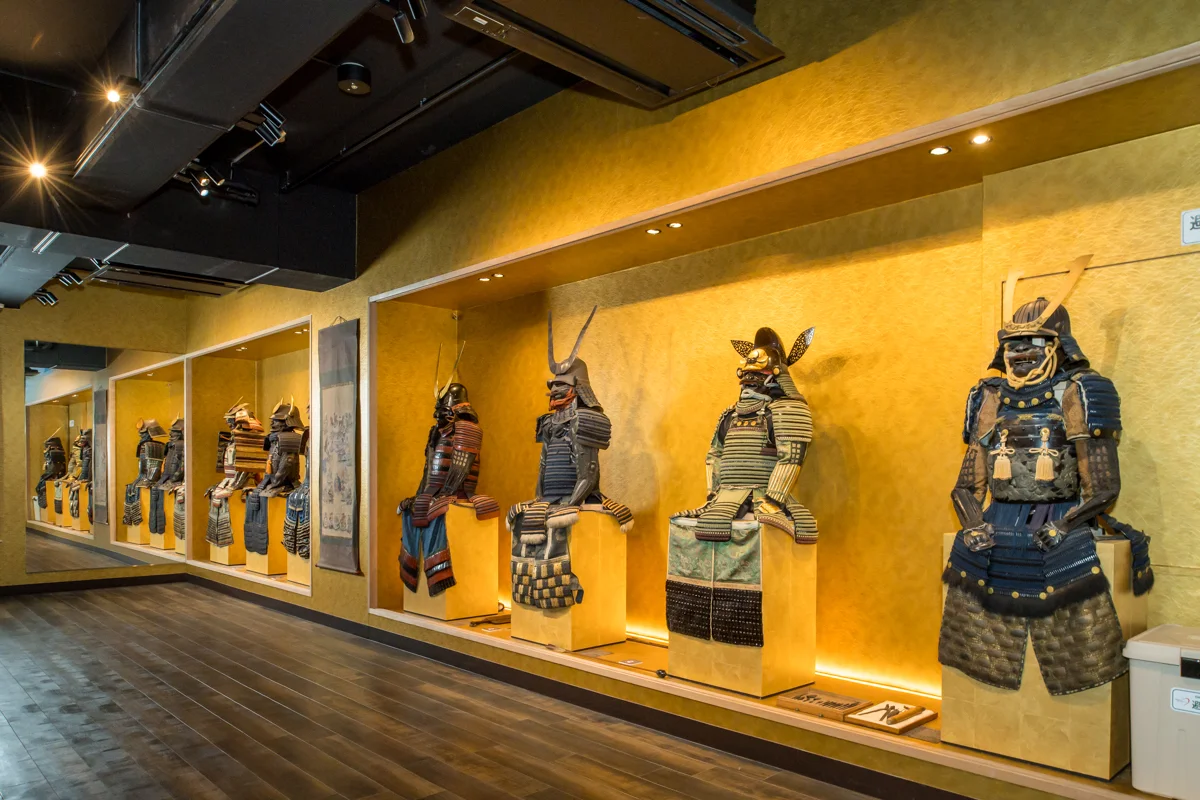
Tokyo focuses on hands-on museum experiences with armor dress-up, sword handling demonstrations, and shuriken throwing in compact 90-minute sessions, while Kyoto emphasizes traditional dojo training with deeper cultural context in historic temple districts. Tokyo suits travelers seeking accessible, centralized activities near major tourist routes; Kyoto appeals to those prioritizing authentic instruction in preserved warrior settings. Both cities offer legitimate experiences, but Tokyo excels in convenience and variety, while Kyoto provides immersive tradition.
The Tokugawa shogunate governed Japan for 265 years from Edo, modern-day Tokyo, yet Kyoto remains the imperial capital where samurai culture first crystallized. This historical split shapes how each city presents warrior heritage today. Tokyo concentrates its samurai offerings around Asakusa, where the Samurai Museum anchors a district filled with sword shops, traditional theaters, and reconstructed Edo-period streetscapes. Visitors engage with curated collections of armor, weapons, and battle standards before participating in structured activities led by English-speaking guides. The city's approach favors accessibility—programs run daily with flexible entry times, require no advance booking for basic admission, and integrate seamlessly with other Asakusa landmarks like Senso-ji Temple. Urban efficiency defines the experience: compact sessions, clear instruction, and immediate photo opportunities. Kyoto's samurai programs unfold in preserved machiya townhouses and temple grounds where historical lineages remain unbroken. Instruction often comes from practitioners trained in koryu, classical martial arts schools predating the Meiji Restoration. Sessions emphasize proper etiquette, the philosophical underpinnings of bushido, and techniques refined over generations. The pace is deliberate, the atmosphere contemplative. Where Tokyo offers interaction, Kyoto demands immersion. The practical divide is equally stark. Tokyo's centralized options cluster within a ten-minute walk of Asakusa Station, making logistics straightforward for first-time visitors navigating a foreign transit system. Kyoto's authentic dojo scatter across Higashiyama and Arashiyama, requiring advance reservations, sometimes weeks ahead during cherry blossom and autumn foliage seasons. Tokyo accommodates spontaneity; Kyoto rewards planning. Both cities deliver legitimate encounters with Japan's warrior past, but the samurai experience Tokyo vs Kyoto question ultimately hinges on travel style. Tokyo serves the explorer covering multiple interests in limited time, while Kyoto suits the specialist willing to adjust their itinerary around a single, depth-focused encounter.
“The Tokugawa shogunate governed Japan for 265 years from Edo, yet Kyoto remains the imperial capital where samurai culture first crystallized.”
The samurai experience in Tokyo maintains consistent operating hours throughout the week to accommodate your research and travel planning.
The samurai experience facility is located at 1 Chome-21-13 Asakusa, Taito City, Tokyo 111-0032, Japan. The most efficient way to reach this location is via the Tokyo Metro or municipal rail lines serving the Asakusa area.
Tokyo Metro Ginza Line to Asakusa Station
Toei Asakusa Line to Asakusa Station
From Senso-ji Temple grounds
Arrive between 09:00 and 16:00 to ensure availability. The facility is a short walk from Asakusa Station, so utilize the station's exit 1 for the most direct path.
The Asakusa area provides a high density of historical sites that complement a samurai-themed visit. Integrating these landmarks allows for a logical walking route that connects Tokyo's traditional culture with your immersive experience.
5 min walk
As Tokyo's oldest temple, this site offers a traditional atmosphere that aligns with the history explored during your samurai session.
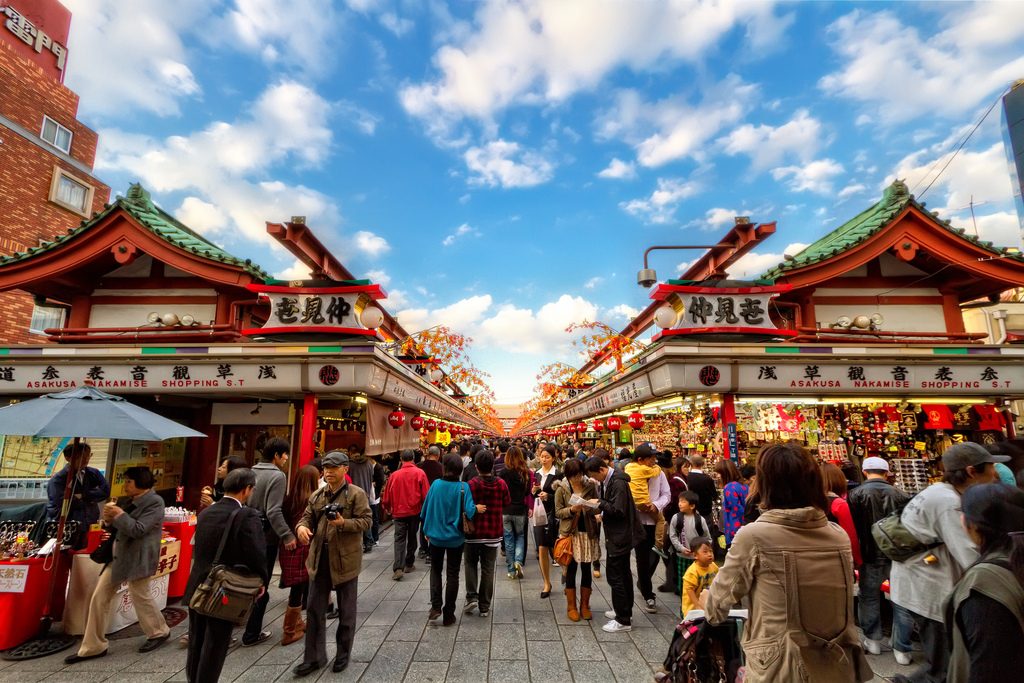
3 min walk
This historic shopping street leads directly to the temple and features craft shops selling goods often associated with samurai culture.
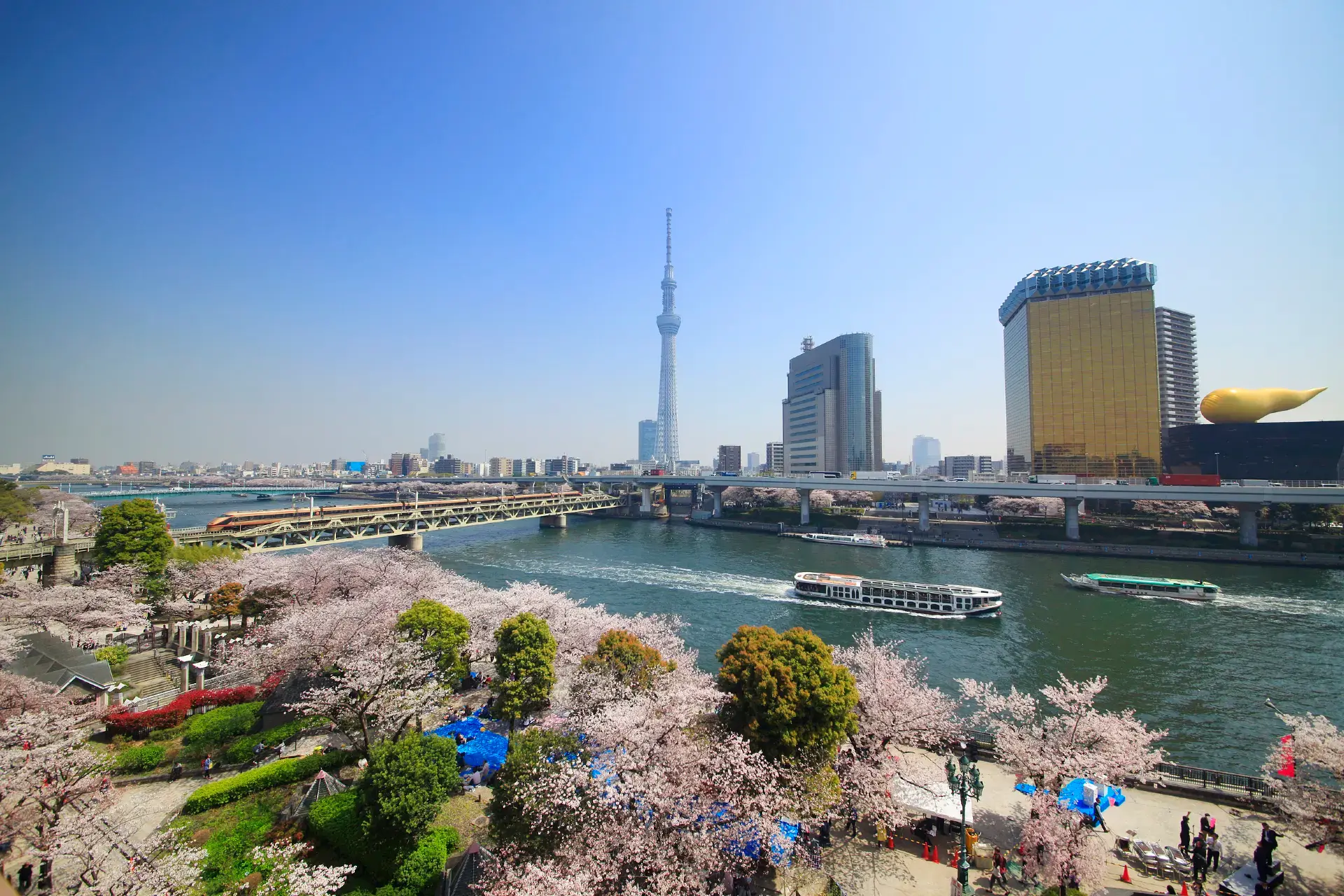
8 min walk
Located along the Sumida River, this park provides a quiet outdoor space to reflect after your session while viewing the Tokyo Skytree.
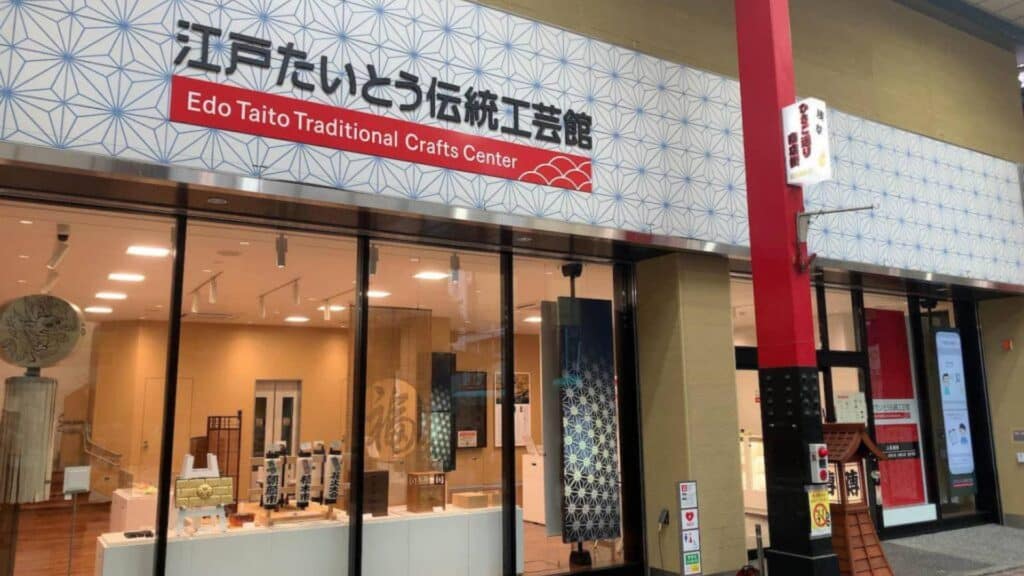
10 min walk
This center exhibits local craftsmanship, providing deeper context for the armor and weapons used in traditional Japanese history.
Everything you need to know about samurai experience tokyo vs kyoto
Tokyo generally offers highly accessible, interactive exhibits and demonstrations focused on weaponry like shuriken and traditional armor, while Kyoto experiences often emphasize deep historical roots and Zen aesthetics. Evaluating a samurai experience tokyo vs kyoto requires deciding if you prefer modern urban convenience or a more traditional, temple-based atmosphere. Both regions provide authentic opportunities to engage with the legacy of the warrior class through structured workshops.
The entrance fee for the facility in Asakusa is 3,000 JPY, which includes a guided tour, armor dress-up, and shuriken throwing practice. This provides a consistent baseline for planning your budget when researching a samurai experience tokyo vs kyoto.
When weighing a samurai experience tokyo vs kyoto, note that Tokyo venues are often integrated into major tourist hubs like Asakusa, making them easier to combine with other sightseeing. Kyoto locations might require more travel time between historical landmarks, though they offer a distinct environmental contrast compared to the capital. Always verify if your chosen venue requires advance reservations to ensure availability.
Yes, the facility in Tokyo welcomes participants to try on authentic-style armor and learn basic techniques, making it suitable for those interested in history. While planning your samurai experience tokyo vs kyoto trip, check the specific age requirements for children at each venue to ensure the activities match your family's needs.
To avoid crowds, the best arrival window for the Tokyo venue is between 09:00 and 16:00, especially as weekend afternoon slots frequently reach capacity. Understanding these timing constraints is vital when comparing a samurai experience tokyo vs kyoto, as Tokyo urban locations often experience peak volume during midday hours.
Kyoto is renowned for its preservation of historic dojos and connection to feudal history, whereas Tokyo provides a high-energy introduction to blade handling and armor traditions. Your choice between a samurai experience tokyo vs kyoto should be based on whether you seek an immersive cultural lesson or a hands-on technical workshop.
When deciding between a samurai experience tokyo vs kyoto, map out your full itinerary first to see which city fits your schedule. Tokyo is often more convenient for travelers on a tight timeline, while Kyoto rewards those who dedicate full days to exploring ancient heritage sites.
Samurai Experiences in Asakusa
Read more GuideSamurai Classes in Shinjuku
Read more GuideSamurai Experience Prices and Ticket Info
Read more GuideSamurai Experience Tokyo Reviews
Read more Tickets & toursPrivate Samurai Experiences
Read more Tickets & toursSamurai & Tea Ceremony Experiences
Read more Tickets & toursSamurai Experiences for Families & Kids
Read more