
English| EUR
Suggested for you
More currencies
Choose a language
Tokyo's samurai experiences range from introductory sword etiquette sessions to full warrior immersions with period armor. Costs vary by program length, group size, and whether authentic costume rental is included. Most venues publish transparent pricing, though seasonal workshops and private lessons command premium rates.
Quick answer
The samurai experience Tokyo price starts at ¥3,000 for basic adult entry, which includes a guided tour and museum experience at participating venues. Full training sessions with sword handling and costume rental typically range from ¥5,000 to ¥12,000 depending on duration and group size. Private lessons and advanced kata instruction carry higher rates, while family packages and student discounts reduce per-person costs by fifteen to twenty percent during off-peak months.
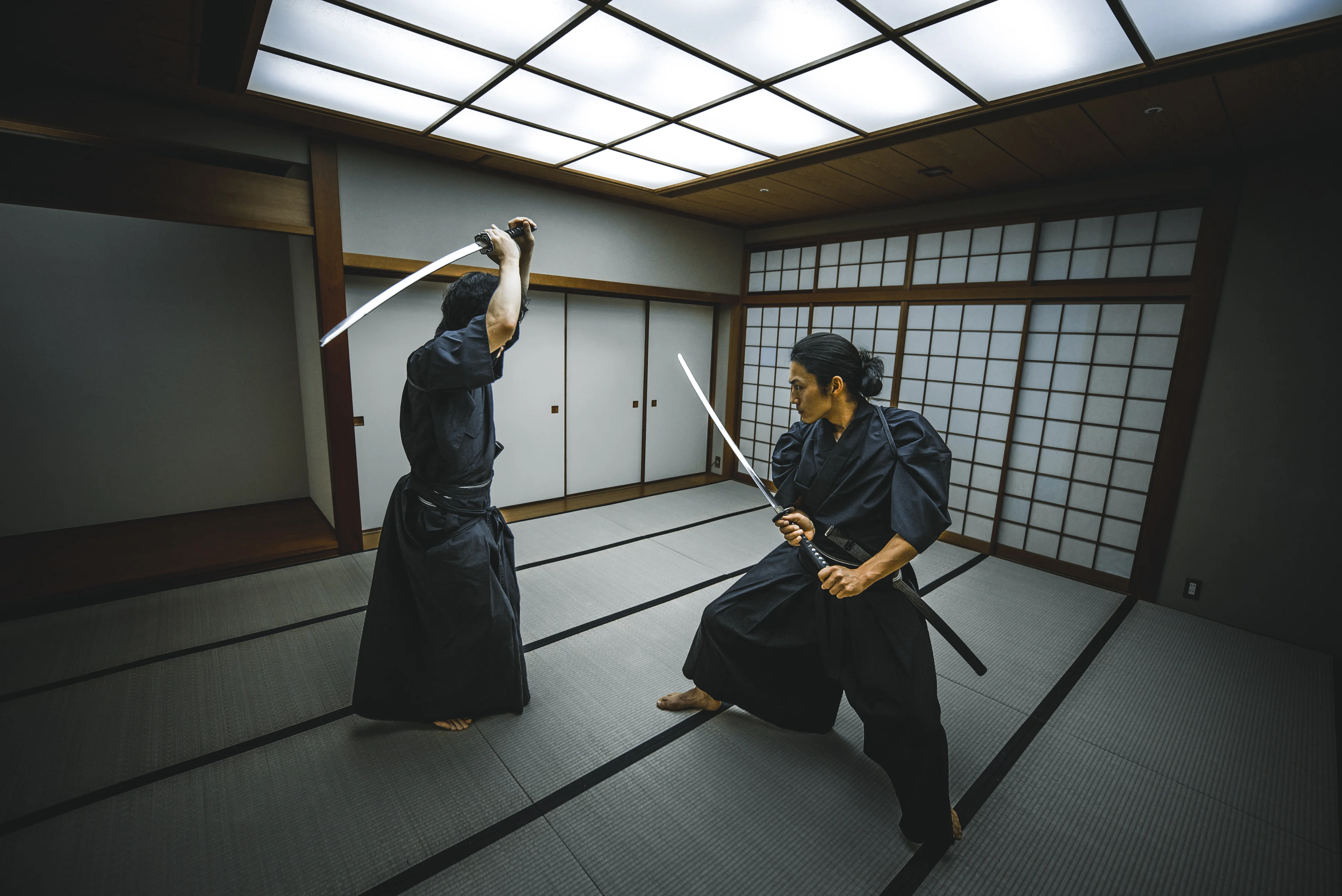
The ¥3,000 entry threshold at many Tokyo samurai centers covers more than passive observation—participants receive hands-on instruction in sword grip, stance, and the ceremonial rei that opens every bushido practice. That baseline cost reflects a sixty-minute session, museum access, and English-language guidance through the historical context of Edo-period warrior culture. Studios in Taito and Asakusa anchor their pricing around this figure, though premium add-ons—lacquered armor fitting, calligraphy workshops, or extended kata drills—push the total into five-figure yen territory. Costume rental accounts for much of the price variation across providers. Standard cotton hakama and uwagi sets typically add ¥1,500 to ¥2,500 to the base fee, while full samurai armor reproductions with kabuto helmets and do chest plates cost ¥4,000 or more. Photography packages, increasingly popular among international visitors, bundle costume rental with professional studio shots and digital delivery for around ¥8,000 total. Group bookings of six or more often unlock tiered discounts—some venues reduce per-head costs by ¥800 when parties exceed eight participants. Seasonal pricing adjustments favor autumn and winter visits. Cherry blossom season and Golden Week drive rates upward by ten to fifteen percent as demand peaks, while November through February sees promotional windows that bring introductory sessions closer to ¥2,500. Evening slots after 17:00 sometimes carry surcharges, compensating instructors for extended hours, though weekday mornings remain the most economical choice. Advanced workshops teaching naginata polearm techniques or iaido quick-draw forms require prior booking and hover near ¥10,000 for two-hour intensives. Payment at most dojos accepts yen cash, major credit cards, and increasingly QR-code mobile wallets. Reservation deposits—usually thirty percent of the total—secure spots during high-traffic months, with full settlement due upon arrival. Cancellation policies vary: some studios refund in full with seventy-two hours' notice, while others retain the deposit regardless of timing. Confirming the refund terms when booking avoids surprises if travel plans shift.
“The ¥3,000 entry threshold covers hands-on instruction in sword grip, stance, and the ceremonial rei that opens every bushido practice.”
The samurai experience operates daily throughout the week, maintaining consistent hours to accommodate visitors.
The samurai experience is located at 2-25-6 Nishiasakusa, Taito City, Tokyo. The most efficient way to reach this venue is via the Tokyo Metro Ginza Line, which provides direct access to the Asakusa area.
Tokyo Metro Ginza Line to Tawaramachi Station
Tsukuba Express to Asakusa Station
Direct arrival at 2-25-6 Nishiasakusa
Arriving between 09:00 and 18:00 is recommended to avoid afternoon crowds and ensure you are present for scheduled hourly tours.
The best arrival window is 09:00–18:00 to avoid afternoon crowds and ensure participation in scheduled hourly tours. Planning your visit during these hours allows for a structured experience.
—
Early arrival helps bypass peak visitor numbers. Arriving at 09:00 ensures immediate tour access.
Mild temperatures near 15°C to 20°C
Ideal weather conditions for walking in the Taito City area. Book well in advance due to seasonal interest.
Cool and clear, 15°C to 22°C
Stable weather makes this an optimal time for indoor and outdoor activities. Mid-week sessions remain the least crowded options.
Verdict: The best time to visit is mid-week between 09:00 and 11:00 during the months of April or October.
Preparation ensures a smooth samurai experience without last-minute complications.
Everything you need to know about samurai experience tokyo price
The standard samurai experience tokyo price is 3,000 JPY per person. This fee covers your guided tour and admission to the facility.
There are no hidden costs, as the published samurai experience tokyo price covers the base museum access and guided components. You may choose to purchase optional souvenirs or additional services if they are available on-site.
Yes, the 3,000 JPY samurai experience tokyo price includes the guided tour and the museum experience. This ensures you can explore the exhibits and learn about warrior history during your visit.
The best arrival window is between 09:00 and 18:00 to avoid afternoon crowds. Arriving early also ensures you can participate in the scheduled hourly tours provided at this Tokyo attraction.
The experience is designed for a general audience interested in Japanese history and tradition. Please check the official site for specific details regarding accessibility or requirements for younger visitors.
Booking ahead is recommended to secure your spot for the guided sessions. You can verify availability and plan your visit via the official site to ensure your trip to this historic Taito City landmark goes smoothly.
Samurai Experiences in Asakusa
Read more GuideSamurai Classes in Shinjuku
Read more GuideSamurai Experience Tokyo Reviews
Read more GuideSamurai Experiences: Tokyo vs Kyoto
Read more Tickets & toursPrivate Samurai Experiences
Read more Tickets & toursSamurai & Tea Ceremony Experiences
Read more Tickets & toursSamurai Experiences for Families & Kids
Read more