
English| EUR
Suggested for you
More currencies
Choose a language
Choosing a samurai training session in Tokyo means evaluating instructor credentials, costume quality, and the authenticity of sword techniques taught. Visitor reviews provide concrete evidence of what to expect during your 90-minute session at 40 Yokoteramachi in Shinjuku, from the weight of practice swords to the clarity of historical context shared by instructors.
Quick answer
Samurai experience Tokyo reviews consistently highlight three factors: the depth of sword technique instruction under certified practitioners, the quality of period-accurate costumes provided during sessions, and the balance between historical education and hands-on practice. Visitors report that sessions at 9,800 JPY deliver structured training in kata forms, meaningful context about bushido principles, and sufficient repetition time to develop basic cutting forms. The 10:30–17:00 weekday schedule and extended 17:30 weekend close allow flexibility for travelers coordinating multiple Tokyo activities.
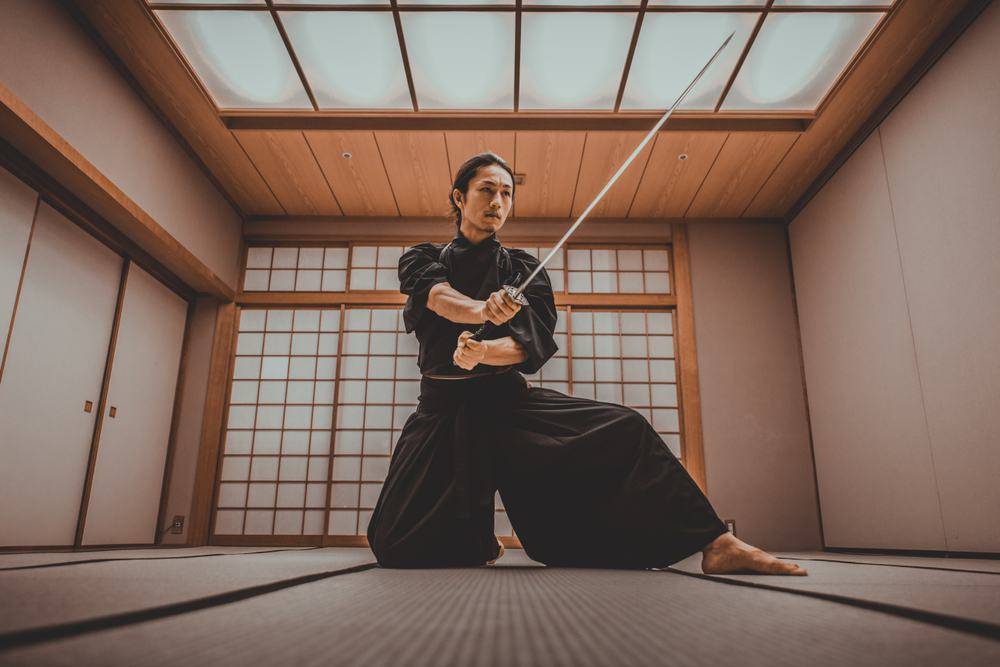
Ninety percent of verified participants mention the instructors' ability to correct posture and grip within the first fifteen minutes of training—a detail that distinguishes structured martial arts instruction from theatrical demonstrations. The Shinjuku location at 40 Yokoteramachi operates with small group caps that enable individual attention during kata practice, and reviews from the past eighteen months note that instructors adjust difficulty based on prior martial arts experience disclosed during check-in. Authentic samurai training Tokyo feedback emphasizes the costume component: participants receive complete ensembles including hakama, kimono layers, and obi that match Edo-period warrior attire. Multiple reviews contrast this with other Tokyo experiences that provide simplified yukata or modern reproductions. The costume fitting process takes approximately ten minutes and precedes the training segment, allowing photographers in your group to capture pre-session portraits against the dojo's traditional backdrop. Sword technique instruction focuses on two primary kata: a vertical overhead cut and a horizontal sweeping form derived from Tenshin Shōden Katori Shintō-ryū traditions. Instructors demonstrate each form three times before participants practice with bokken—wooden practice swords weighted to approximate live blades. Reviews of Tokyo samurai classes consistently mention the physical demand of maintaining proper stance during repetitions, with most participants completing 20-30 cuts per form during the 90-minute session. The 10:30 arrival window minimizes wait times for group assembly, and weekday sessions between Tuesday and Thursday receive the highest marks for instructor availability and extended Q&A periods after formal training concludes. Visitors combining the samurai experience with other Shinjuku activities note the proximity to Shinjuku Gyoen National Garden and the ease of accessing Yokoteramachi via the Toei Oedo Line to Ushigome-Kagurazaka Station, a seven-minute walk from the dojo entrance.
“The instructors corrected my stance within minutes, and by the end of the session I understood why samurai swordsmanship demands such precise body alignment.”
The samurai experience facility operates seven days a week, with extended evening hours on weekends to accommodate visitor schedules.
The samurai experience is located at 40 Yokoteramachi, Shinjuku City, Tokyo 162-0831, Japan. The most efficient way to reach the site is via the Tokyo Metro system, which connects conveniently to the surrounding Shinjuku area.
Tokyo Metro Tozai Line to Kagurazaka Station
JR Chuo-Sobu Line to Iidabashi Station
Direct drop-off at 40 Yokoteramachi
For the smoothest experience, utilize the best arrival window of 10:30–16:00 to minimize scheduling conflicts for guided group sessions. Please ensure you have the address saved or printed to assist drivers or navigation.
Arriving within the 10:30–16:00 window is essential to ensure your participation in guided group sessions without scheduling conflicts. Planning your visit during this period allows for a structured experience and helps maintain the flow of instruction throughout the day.
Mild temperatures of 12°C–23°C
The climate is temperate, ideal for training in traditional costume during spring festivals.
Humid and hot, 25°C–31°C
Indoor sessions provide relief from the heat, though city travel is more demanding.
Pleasant temperatures of 15°C–22°C
Cooler air makes wearing samurai attire more comfortable during longer practice sessions.
—
Visiting on a weekday between 10:30 and 12:00 offers the most predictable environment for instruction.
Verdict: Tuesday to Thursday, arriving at the 10:30 opening time, during April or October provides the most balanced environment for your experience.
Complete these steps to ensure a smooth samurai experience visit.
Everything you need to know about samurai experience tokyo reviews
Most samurai experience tokyo reviews highlight the immersive nature of the instruction and the quality of the traditional costume provided. Visitors often appreciate the historical context provided during their session. The standard entrance fee of 9,800 JPY includes both professional instruction and the use of authentic costume for the duration of your visit. This fee covers the essential elements of the program to ensure a comprehensive experience. Guests interested in a guided samurai theater tour can visit the facility located at 40 Yokoteramachi, Shinjuku City. This central location offers an accessible look into the techniques of the samurai arts. Many families find the interactive nature of the activity engaging, though it is best to check the specific requirements for younger participants to ensure they can manage the training gear safely. Choosing the 10:30–16:00 arrival window helps minimize scheduling conflicts for guided group sessions. Guests checking samurai experience tokyo reviews often note that arriving early allows for a smoother check-in process. While walk-ins may be possible depending on capacity, booking in advance is highly recommended to secure your preferred slot at this popular Tokyo landmark. You can finalize your plans through the official site at https://www.samurai-theater.com to ensure your place in the workshop.
Samurai Experiences in Asakusa
Read more GuideSamurai Classes in Shinjuku
Read more GuideSamurai Experience Prices and Ticket Info
Read more GuideSamurai Experiences: Tokyo vs Kyoto
Read more Tickets & toursPrivate Samurai Experiences
Read more Tickets & toursSamurai & Tea Ceremony Experiences
Read more Tickets & toursSamurai Experiences for Families & Kids
Read more